Bubble Text Effect Vector 3D Style: A Versatile Design Solution
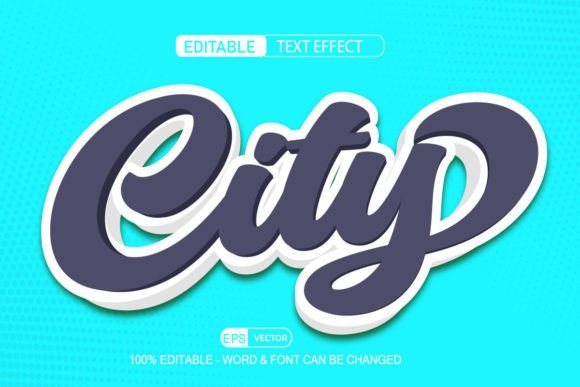
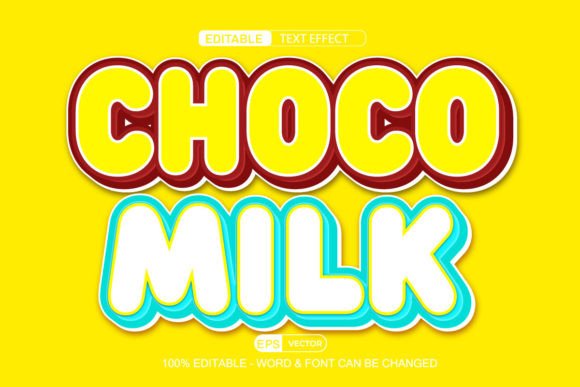
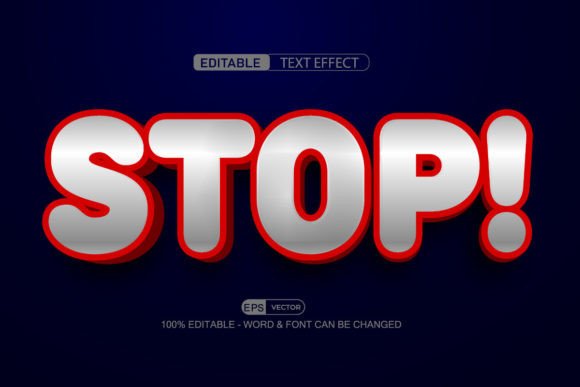
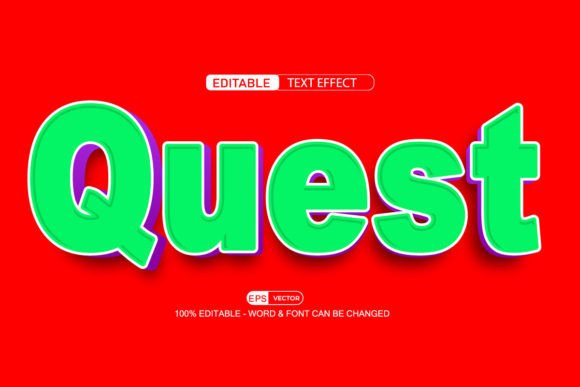
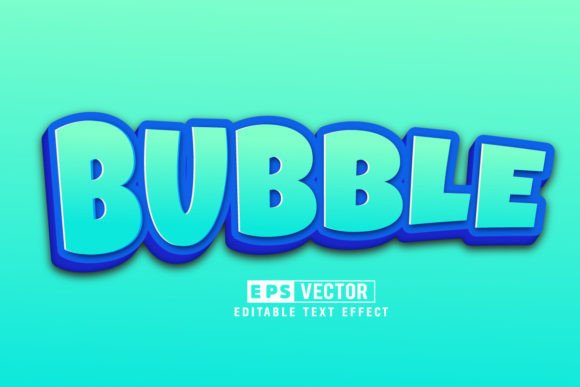
The Bubble Text Effect Vector 3D Style is a digital design resource that offers a unique way to create visually striking text with a three-dimensional, bubble-like appearance. This type of vector graphic is ideal for designers looking to add depth and dimension to their work without the complexity of 3D modeling software. The style is characterized by its rounded, inflated look, which gives text an almost tactile quality, making it stand out in both print and digital media.
What sets the Bubble Text Effect Vector 3D Style apart from other text effects is its combination of simplicity and adaptability. Unlike many 3D text styles that require advanced rendering techniques or complex software, this vector-based approach allows for easy customization and editing. Designers can adjust fonts, sizes, colors, and even individual elements of the bubble effect without losing quality or resolution.
Understanding the Bubble Text Effect Vector 3D Style
The Bubble Text Effect Vector 3D Style is typically created using vector graphics software such as Adobe Illustrator. This format ensures that the design remains scalable and sharp at any size, making it suitable for a wide range of applications—from social media posts to large-format prints. The effect mimics the look of bubbles floating in space, with each letter appearing to be slightly inflated and separated from the others.
This style is particularly effective when used in creative projects that aim to convey a sense of playfulness, innovation, or modernity. It works well in branding, advertising, web design, and editorial layouts where visual impact is important. The 3D aspect adds a layer of realism that can make text more engaging and memorable to viewers.
Comparing Bubble Text Effect Vector 3D Style with Other Options
When considering text effects, designers often have several options to choose from, including 3D extrusion, gradient overlays, and embossed styles. Each of these has its own strengths and limitations, and the choice depends on the specific needs of the project.
Compared to traditional 3D extrusion, the Bubble Text Effect Vector 3D Style offers a more stylized and less rigid appearance. While 3D extrusion can create a strong sense of depth, it may not always align with the aesthetic goals of a design. The bubble effect, on the other hand, provides a softer, more whimsical alternative that can complement a variety of design themes.
Gradient overlays and embossed styles also serve different purposes. Gradient overlays can add color variation and texture, while embossed styles give a raised or engraved look. However, neither of these approaches provides the same level of dimensionality and visual interest as the bubble effect. The 3D style is especially useful when a designer wants to create a focal point that draws attention without overwhelming the overall composition.
Strengths and Tradeoffs of the Bubble Text Effect Vector 3D Style
One of the main advantages of the Bubble Text Effect Vector 3D Style is its ease of use. Because it is based on vector graphics, users can edit individual elements of the design without affecting the rest of the artwork. This makes it ideal for projects that require frequent adjustments or multiple variations.
Another benefit is the flexibility in terms of customization. Designers can change the font, size, and color of the text, as well as modify the bubble effect itself. This level of control allows for a high degree of personalization, ensuring that the final result aligns with the intended message and visual identity.
However, there are some tradeoffs to consider. The bubble effect may not be suitable for all types of content, particularly those that require a more formal or minimalist look. In such cases, other text effects might be more appropriate. Additionally, while the vector format is highly scalable, the effectiveness of the 3D style can depend on the resolution and quality of the output medium.
Best Fit Situations for the Bubble Text Effect Vector 3D Style
The Bubble Text Effect Vector 3D Style is most effective in projects that benefit from a dynamic and eye-catching visual element. It is particularly well-suited for creative industries such as marketing, entertainment, and education, where engaging visuals can enhance communication and user experience.
For example, a brand launching a new product might use the bubble text effect to create a bold and memorable logo or promotional material. Similarly, an educational website could incorporate the style into headings or section dividers to make information more accessible and visually appealing.
In web design, the bubble text effect can be used to highlight key messages or call-to-action buttons, drawing users' attention in a subtle yet effective way. Its adaptability also makes it a good choice for social media content, where visual variety is essential for capturing audience interest.
When to Consider Alternatives
While the Bubble Text Effect Vector 3D Style is a powerful tool, it may not always be the best option. For instance, in situations where minimalism or clarity is the priority, a simpler text style might be more appropriate. A clean, sans-serif font with no additional effects could provide better readability and a more professional appearance.
Additionally, if the goal is to create a highly realistic 3D text effect, designers might need to use specialized 3D modeling software or plugins. These tools can produce more intricate and detailed results, but they often require more technical expertise and processing power.
It's also worth noting that the bubble effect may not translate well to certain mediums, such as small mobile screens or low-resolution prints. In these cases, a more straightforward text style could ensure that the message remains clear and legible.
Practical Examples and Use Cases
Consider a scenario where a designer is working on a children's book cover. The Bubble Text Effect Vector 3D Style could be used to create a playful and inviting title that reflects the tone of the story. By adjusting the size and color of the text, the designer can ensure that the title stands out while still fitting within the overall design scheme.
Another example is a music festival poster. The bubble text effect could be used to highlight the event name, adding a sense of energy and excitement. The 3D style would make the text more prominent, helping to attract attention in a crowded market.
In a corporate setting, the bubble effect might be used sparingly to add a touch of creativity to a presentation or report. For instance, a company’s tagline could be styled with the bubble effect to differentiate it from standard text and reinforce the brand’s personality.
Conclusion: Making the Right Choice
The Bubble Text Effect Vector 3D Style offers a compelling blend of visual appeal, flexibility, and ease of use. It is a valuable resource for designers seeking to add a unique and dynamic element to their work. However, as with any design tool, it is important to evaluate whether it aligns with the specific goals and requirements of the project.
By understanding the strengths and limitations of the Bubble Text Effect Vector 3D Style, designers can make informed decisions about when and how to use it. Whether it's the right choice depends on factors such as the desired aesthetic, the target audience, and the medium in which the design will be presented. With careful consideration, this style can become a powerful addition to any designer’s toolkit.